






Beach safety in South Devon
 8 min read
 Posted 28th Jul 2026
Beach Safety in South Devon: Essential Sea Safety Tips for Families
A holiday by the sea is one of life’s simplest pleasures. Whether you’re paddling in the shallows, exploring rock pools, walking along the coast or spending the afternoon building sandcastles, South Devon’s coastline offers countless opportunities to create special family memories.
From the award-winning beaches of Torbay and the English Riviera to hidden coves waiting to be discovered, there’s something magical about spending time beside the sea. But while the coast is beautiful, it’s also a powerful natural environment that deserves our respect. Understanding how to stay safe means you can relax and enjoy every moment with confidence.
At Beverley Holidays, we’re passionate about beach safety. That’s one of the reasons we’ve chosen the RNLI as our Charity of the Year. Thanks to the incredible generosity of our guests, we’ve already raised more than £1,100 this year to support the RNLI’s lifesaving work around our coastline.
This year also marks an important milestone, as RNLI Lifeguards celebrate their 25th anniversary on 31st July. For a quarter of a century, RNLI lifeguards have been helping millions of people enjoy Britain’s beaches safely through education, prevention and rescue.

Whether you’re visiting Goodrington Sands, Broadsands Beach, Blackpool Sands or exploring one of South Devon‘s many beautiful coves, these beach safety tips will help you make the most of your day by the water.
Why beach safety is so important
The sea is constantly changing. Tides rise and fall, currents move beneath the surface and weather conditions can alter within minutes.
Many people who get into difficulty aren’t taking unnecessary risks. They simply don’t realise how quickly conditions can change.
Fortunately, a little preparation goes a long way. By following a few straightforward pieces of advice from the RNLI and HM Coastguard, you can enjoy your day knowing you’ve taken sensible precautions.
Choose a lifeguarded beach
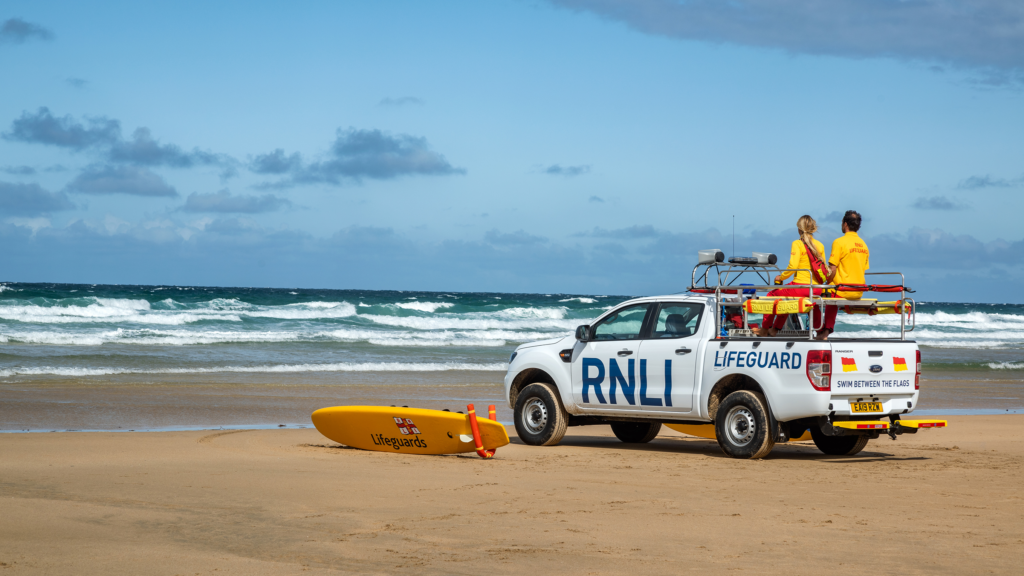
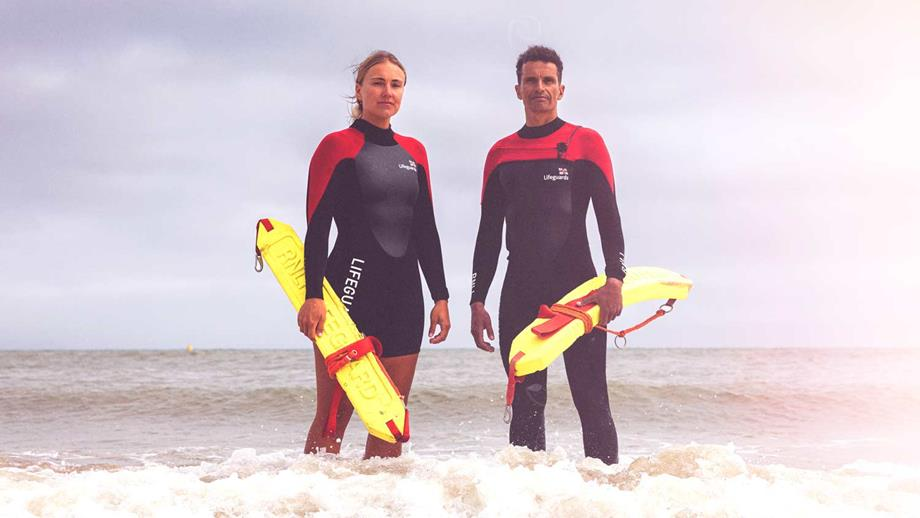
Whenever possible, choose a beach patrolled by RNLI lifeguards.
Lifeguards continuously monitor sea conditions throughout the day, watching for hazards including rip currents, changing tides and dangerous waves. They also position the beach safety flags and are always happy to offer advice before you enter the water.
If you’re swimming, bodyboarding or visiting with children, swimming between the red and yellow flags is the safest place to be.
If you have any questions, don’t be afraid to ask a lifeguard. They’re there to help everyone enjoy the beach safely.
Know what the beach flags mean
Before heading into the sea, take a moment to look at the beach safety flags.
- Red and yellow flags – the safest area for swimming and bodyboarding.
- Black and white chequered flags – designated for surfboards, paddleboards, kayaks and other watercraft.
- Red flag – the sea is dangerous. Do not enter the water.
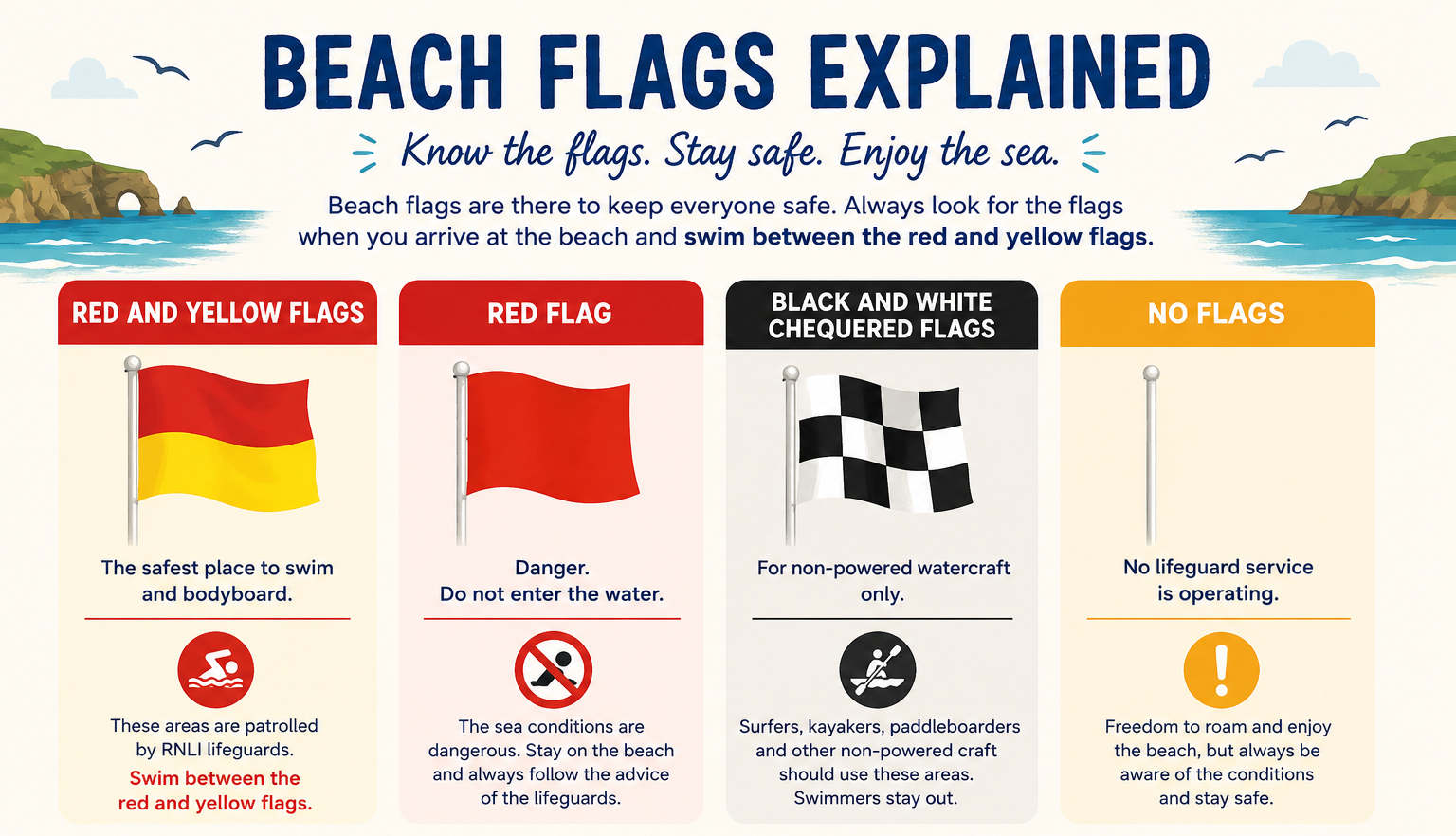
These simple flags help separate different water users and reduce the risk of accidents.
Check the tide times before you leave
One of the easiest ways to stay safe is to check the tide before setting off.
South Devon’s coastline changes dramatically throughout the day. Beaches become smaller, access routes disappear beneath the sea and hidden rocks can become exposed as the tide goes out.
Checking the tides before you visit helps you plan your day and avoid becoming cut off. Websites such as www.tidetimes.org.uk provide reliable tide information, while checking the local weather forecast before leaving can also help you prepare for changing sea conditions.
Keep inflatables in the swimming pool
Inflatable unicorns, rubber rings and lilos are fantastic fun around the swimming pool. They are not designed for use in the sea.
Even on seemingly calm days, offshore winds can carry inflatables away from the beach in just a few minutes. Every year, RNLI lifeguards respond to incidents involving inflatables drifting out to sea.
Save the inflatables for the pool and choose suitable buoyancy equipment if you’re planning water activities.
Know what to do if you’re caught in a rip current
Rip currents are one of the most common dangers around the UK coastline. Although they can look like calm water, they’re actually powerful channels flowing away from the shore.
If you’re caught in one:
- Stay calm.
- Don’t try to swim directly back to shore.
- Swim parallel to the beach until you’re free of the current.
- Float if you need to conserve energy.
- Raise your arm and shout for help.
Understanding rip currents could save your life.
Float to Live – a simple message that saves lives
If there is one piece of advice everyone should remember before visiting the coast, it’s the RNLI’s Float to Live campaign. If you unexpectedly find yourself in difficulty:
- Tilt your head back.
- Keep your ears under the water.
- Relax and control your breathing.
- Move your hands to help you stay afloat.
- Once your breathing has recovered, call for help or swim to safety if possible.
It sounds simple, but floating allows your body to recover from the initial effects of cold water shock and can give rescuers valuable time to reach you.
Bright swimwear could help rescuers spot you
Would you choose blue swimwear for a day at the beach?
The RNLI and HM Coastguard actually recommend wearing bright, highly visible swimwear when swimming in the sea.
Bright orange, yellow, pink and fluorescent colours are much easier to spot in the water than blue, black or grey. It’s a small decision that could make a big difference if you ever need assistance.
Always keep children within arm’s reach
The beach is a fantastic place for children to play and explore, but active supervision is essential. Young children should always remain within arm’s reach when they’re in or near the water.
Inflatable toys and armbands are fun but shouldn’t be relied upon as lifesaving equipment. Before settling down, agree a family meeting point and talk to them about beach safety.
Borrow beach toys instead of buying them
Planning a beach day doesn’t have to mean packing the car full of buckets and spades. If you’re staying at Beverley Holidays, don’t forget our Beach Toy Library, located next to Reception.
Guests are welcome to borrow beach toys for the day before returning them for another family to enjoy. It’s a great way to reduce waste, save space in the car and help more families enjoy South Devon’s wonderful beaches.

Visiting South Devon’s dog-friendly beaches?
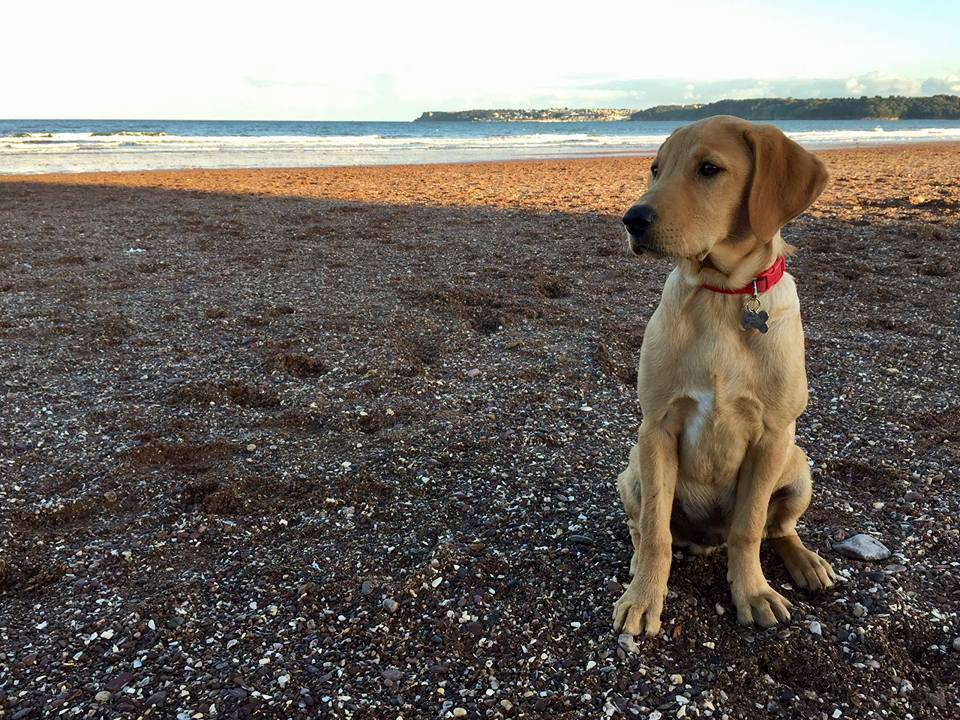
Many of South Devon’s beaches welcome dogs throughout the year, although some seasonal restrictions apply during the summer. Before visiting, check whether your chosen beach is dog friendly.
If your dog gets into difficulty in the sea, resist the temptation to enter the water after them. Instead, call 999 and ask for the Coastguard. Dogs often find their own way back to shore, while trained rescue teams are equipped to help safely.
What to do in a beach emergency
If someone is in danger at the coast:
- Stay calm.
- Call 999 immediately and ask for the Coastguard.
- Never enter the water to attempt a rescue yourself.
- Keep the casualty in sight.
- Throw something that floats if it’s safe to do so.
Knowing what to do could save valuable minutes during an emergency.
Thank you for supporting the RNLI
As Beverley Holidays’ Charity of the Year, the RNLI carries out incredible work both on and off the water. Their volunteer crews, lifeguards and safety teams help millions of people enjoy the UK’s coastline every year.
We’re incredibly grateful that our guests have already raised more than £1,100 so far in 2026 to support their lifesaving work, and we’d like to thank everyone who has donated.
As RNLI Lifeguards celebrate 25 years of keeping Britain’s beaches safe, there’s never been a better time to learn these simple sea safety tips and share them with family and friends.
After all, the best beach days are the ones where everyone returns home with nothing more than happy memories, sandy shoes and plans for their next visit to South Devon.
Lifeguards at Beverley Holidays
Just as the RNLI recommends choosing a lifeguarded beach, we’re proud to have qualified lifeguards on duty whenever our indoor and outdoor pools are open at Beverley Holidays.
Our lifeguards are there to help everyone enjoy the water safely. They continuously supervise the pools, keep an eye on changing conditions, provide advice when needed and are trained to respond quickly in an emergency.
While having lifeguards on duty provides reassurance, we also ask parents and carers to play an active role in keeping children safe. Young children and non-swimmers should always be supervised by a responsible adult, remain within arm’s reach when they’re in the water, and use appropriate flotation aids where needed.